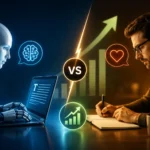

Understanding why human connection matters in marketing is becoming essential as brands shift from algorithm-driven tactics to genuine emotional engagement. In the past few years, marketing has evolved faster than ever before. Artificial intelligence (AI) tools can now write ad copies, design creatives, and even predict customer behavior. But as we move closer to 2026, one truth is becoming clearer: technology might drive marketing, but human connection will define it.
People don’t buy from algorithms—they buy from emotions, stories, and shared values. Let’s explore why, in the coming years, the brands that prioritize empathy and storytelling will rise above even the smartest automation.
The AI Boom and the Emotional Gap
Artificial intelligence has made marketing smarter. It helps brands analyze trends, segment audiences, and personalize messages. Campaigns can now reach the right person at the right time with the right message.
But here’s the catch—AI doesn’t feel. It can mimic tone, analyze sentiment, and even write convincingly, but it doesn’t experience joy, nostalgia, or curiosity. Consumers can sense when a message is too polished, too predictive, or too robotic.
The more AI-driven marketing becomes, the more people crave genuine, imperfect, human interactions. This is what 2026 will be all about: using technology as a tool, not a voice.
Storytelling: The Human Language of Connection
In an era of automation, storytelling will remain the most powerful marketing skill. Algorithms can suggest data-backed headlines, but only humans can craft narratives that touch hearts.
A powerful story doesn’t just describe a product—it builds a world around it. Think of how Airbnb markets belonging, not just stays, or how Nike sells determination, not shoes. These brands have mastered emotional storytelling that transcends digital noise.
By 2026, audiences will filter out generic content instantly. What will cut through the clutter are stories that feel lived, relatable, and human.
The Rise of “Authenticity-First” Marketing
Authenticity will become a non-negotiable brand value. Consumers today can spot fakeness within seconds—whether it’s an over-edited influencer post or a scripted brand apology.
According to multiple studies, over 80% of customers prefer brands that appear “real and transparent.” This means showing behind-the-scenes efforts, real people, real struggles, and even failures.
The future isn’t about being perfect—it’s about being humanly honest. In 2026, brands that open up about their purpose, process, and people will create emotional loyalty no algorithm can replicate.
Data Personalization Isn’t Enough Without Empathy
AI-driven personalization is already advanced. It knows what users want to buy, how long they scroll, and when they’re most active online. But personalization without empathy feels like surveillance.
True connection goes beyond what customers buy—it’s about why they buy it. A thoughtful message on a special day, an honest response to a complaint, or a campaign that understands cultural emotion can do far more than targeted ads ever could.
In 2026, empathy-driven personalization will become the key. Brands will need to use data not just to predict behavior, but to understand people.
Creators Will Replace Influencers
The influencer market is evolving fast. Followers now look for creators who care, not just promote. Authentic creators—those who share real experiences, mistakes, and growth—will become the bridge between brands and consumers.
Instead of one-way promotions, collaborations will turn into conversations. Brands will choose creators who align with their values rather than those with the biggest follower counts.
By 2026, trust will become the new currency of influence. The human voice—honest, imperfect, and emotional—will hold more power than paid endorsements.
The Return of Community Marketing
Algorithms can push content, but they can’t build communities. Humans can.
The next wave of marketing will focus on belonging. Brands that nurture genuine online and offline communities will thrive. Whether it’s through workshops, exclusive member groups, or meaningful discussions, people want to feel part of something bigger than a purchase.
Community-driven marketing isn’t just about engagement—it’s about shared identity. In 2026, the strongest brands won’t just have followers; they’ll have tribes who share values and vision.
Technology + Humanity = The Future Formula
None of this means AI will fade away. In fact, technology will continue to evolve, but its role will shift—from replacing humans to empowering them.
Smart marketers in 2026 will know how to combine the efficiency of AI with the emotional depth of human creativity. Imagine AI helping gather insights while humans craft the message. Or AI analyzing trends while human teams create heart-touching campaigns.
The future isn’t AI vs. humans. It’s AI + humans. But the heart of every great campaign will still beat with emotion, empathy, and connection.
How Brands Can Prepare for 2026
To stay ahead, brands should start humanizing their marketing today. Here’s how:
- Invest in storytelling: Share origin stories, customer experiences, and the people behind your brand.
- Encourage authenticity: Let your team and partners speak in real voices, not corporate scripts.
- Build emotional experiences: Whether through visuals, copy, or community events—focus on feeling, not features.
- Use AI responsibly: Let it enhance your marketing strategy, not replace your creative instinct.
- Listen more: Genuine connection begins with empathy—understand what your audience feels, not just what they click.
Final Thoughts
As marketing heads into 2026, the most successful brands won’t be the ones with the best algorithms—they’ll be the ones that understand people the best.
Technology will keep getting smarter, but emotions will always be human. The brands that connect through real stories, empathy, and trust will outshine every automated message.
Because at the end of the day, people may scroll past ads—but they never forget how a brand made them feel.