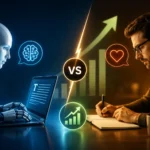
Personalization has shaped digital marketing for nearly a decade. Brands learned to use data to predict behavior, segment audiences and deliver messages that felt relevant. But as we enter 2026, personalization alone is no longer enough. Customers want something deeper. They want to feel understood as people, not as data points in an algorithm. This shift has moved marketing from data driven personalization toward personhood, a more human and emotionally intelligent way of understanding audiences. In this new landscape, humanized marketing 2026 will define how brands connect, communicate and build trust.
Why Personalization Has Reached Its Limit
Personalization was powerful when it first emerged. It helped brands deliver the right content at the right time and shape more intuitive journeys. But as personalization became routine, it also became predictable. Consumers started seeing the same patterns everywhere. Websites calling them by name, recommendations based on past clicks and ads chasing them across platforms began to feel mechanical rather than meaningful. Personalization was doing its job, but it still lacked humanity.
There are several reasons personalization no longer satisfies customers. First, consumers have grown more conscious of how companies collect and use their data. Many feel watched rather than understood. Second, personalization often focuses on past behavior rather than present emotion, which limits its ability to connect on a deeper level. Third, automated personalization creates the same experience for everyone within a segment, eliminating individuality. To move forward, brands need to evolve from predicting behavior to understanding people.
What Personhood Means in Marketing
Personhood represents a shift from treating users as data categories to recognizing their deeper motivations, values and emotional needs. It is less about algorithms and more about empathy. Humanized marketing 2026 focuses on the essence of a person, not just the patterns they leave behind online. Instead of building marketing around micro data points, brands build it around human insight.
A brand that embraces personhood listens more closely to conversations, cultural shifts and emotional cues. It pays attention to what audiences believe, what they care about and how they interpret the world around them. It understands that a customer is not simply someone looking for solutions, but someone looking for meaning. This shift enables richer storytelling, more honest communication and stronger long term loyalty.
At its core, personhood is about making customers feel seen. It is about creating experiences that reflect their individuality, not just their online footprint. When brands do this well, they form deeper emotional relationships that go far beyond transactional engagement.
The Rise of Humanized Marketing in 2026
The rise of humanized marketing 2026 is driven by major cultural and technological changes. Consumers today are overwhelmed with digital noise. They scroll through hundreds of random messages, offers and ads every day. Most of these interactions feel generic regardless of how personalized they appear. Emotional fatigue has made people gravitate toward brands that feel warm, genuine and human. On top of that, new technologies like AI and automation have made it easier for brands to personalize, but not necessarily to connect. When everyone uses similar tools, differentiation comes from emotional depth, not technological sophistication.
Humanized marketing is also rising because customers expect brands to show empathy and understanding. They want companies to speak with them, not at them. They expect brands to know the difference between a moment when they want information and a moment when they want support. They respond better to honest, transparent stories than to optimized messaging scripts.
As a result, humanized marketing 2026 is not a tactic. It is a foundational shift in how brands think, communicate and engage.
Key Elements of Humanized Marketing
Humanized marketing builds trust because it focuses on people rather than patterns. Several key elements shape this new approach.
1. Emotion led storytelling
Brands must understand the emotional context of their audience. They need to create stories that resonate with real human experiences rather than generic marketing narratives. This requires listening to conversations, studying cultural movements and identifying the emotional tone of the moment.
2. Value driven communication
Customers want to understand what a brand stands for. They care about values, purpose and social impact. A brand that communicates clearly about its commitment to people, communities and culture earns deeper loyalty.
3. Real voices from real people
Consumers trust creators, employees, experts and community members more than polished corporate statements. Humanized marketing amplifies these real voices to build authenticity.
4. Adaptive journeys instead of automated funnels
Traditional marketing funnels follow rigid sequences. Humanized marketing builds journeys that adjust based on emotional cues, real time behavior and evolving needs.
5. Respectful data usage
Transparency about data builds trust. Brands must explain clearly why they collect data and how it benefits the customer rather than themselves.
6. Conversational communication
People respond better to friendly, empathetic language rather than scripted promotional tones. Humanized brands communicate in a natural voice that feels more like a conversation than a marketing message.
These elements create experiences that feel genuinely person centered.
How Brands Can Shift From Personalization to Personhood
Shifting to a humanized approach requires more than adjusting content. It requires a mindset shift inside the organization. Brands need to think beyond segmentation and consider individual feelings, cultural context and social identity.
One of the first steps is building deeper audience understanding. Brands must gather insights not just through analytics but through community engagement, interviews, social listening and real conversations. These insights reveal motivations and emotional triggers that data alone cannot provide.
Next, brands need to redesign their content strategy. Instead of creating content for broad segments, they should create content for specific emotional needs. For example, content for customers seeking guidance will look very different from content for those seeking inspiration.
Brands also need teams that understand human behavior, culture, psychology and storytelling. This includes hiring cultural researchers, community managers and creative strategists who can help translate insights into meaningful experiences.
Finally, customer touchpoints must feel consistent and human. Whether a customer interacts with a chatbot, a newsletter or a video, the tone, intention and empathy should remain the same. Every touchpoint should reflect the brand’s commitment to human centered engagement.
Why Humanized Marketing Creates Long-Term Loyalty
Humanized marketing 2026 builds loyalty because it makes people feel valued. When customers sense that a brand understands their emotions and respects their individuality, they form stronger emotional bonds. These bonds last longer than those created through discounts, offers or algorithmic personalization.
Brands that embrace personhood will see several long term benefits. They will experience higher customer retention because people stay longer with brands that make them feel understood. They will see improved word of mouth because emotional connection drives organic advocacy. They will also build stronger brand differentiation because personhood is harder to replicate than personalization.
Conclusion
The era of simple personalization is ending. The future belongs to brands that understand people as humans, not data segments. Humanized marketing 2026 invites brands to move beyond automated predictions and create experiences rooted in empathy, emotion and meaningful connection. When brands embrace personhood, they build relationships that last, resonate and evolve with their audience. This is not just a marketing trend. It is the new foundation for human centered brand growth.